Our Scrappage, Recycling and Car Blog
later post | index | earlier post
How to change your engine oil
Monday, 26 January 2026
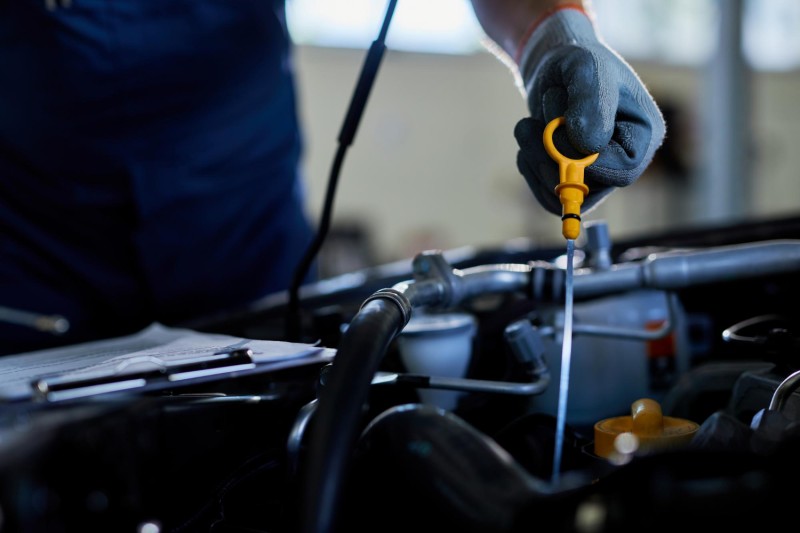
Learning how to change engine oil is an incredibly valuable skill to learn. As well as extending the life of your car by thousands of miles, it’s also something that can save you a sizeable chunk of money over time. It’s one of those things around your engine to keep an eye out for.
Here’s our DIY guide to changing your engine oil.
Make sure you buy the right filter and oil
First things first; it’s extremely important that you follow your car-maker’s recommendations in terms of oil viscosity. All engine oil is no longer created equal, and getting the wrong type can result in poor performance, potential engine damage and even the dreaded ‘check engine’ light.
The same also goes for the oil filter. At one point, filters were all the same, but now different filters suit different oil change intervals. A car with an oil change recommendation of 3,000 miles will need a different filter to one with a recommendation of 6,000.
There is a big difference between an economy filter and a good one, and it’s one of those expenses where budgeting is a false economy, especially given that the price gap isn’t huge. So, make sure you get the correct oil filter for your car.
The tools you need to change your engine oil
Here are the tools you’ll need for changing your own engine oil:
- box-end wrench
- rubber mallet
- filter wrench
- drain pan
- new filter
Before you get started, open a new bottle of oil and smear clean oil on the new filter’s gasket.
Changing your engine oil in 10 steps
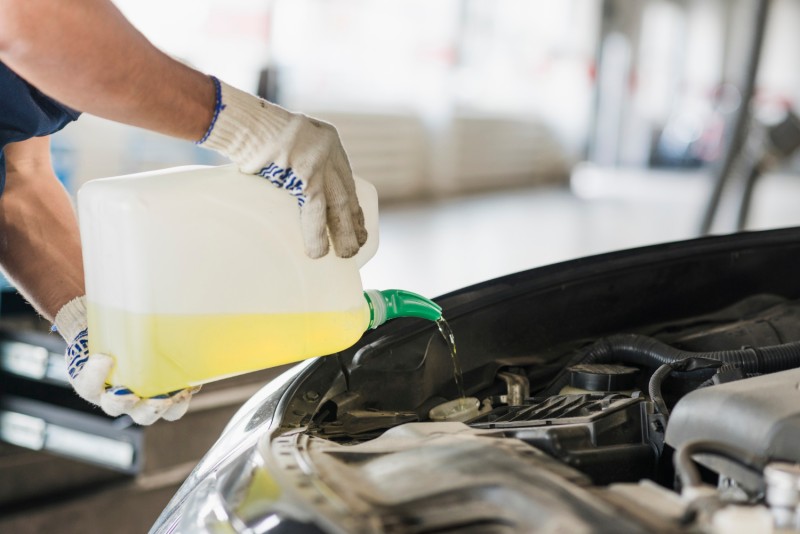
Changing your oil should take around 20 minutes as long as you’ve got everything ready to go.
Turn your engine on to warm it up. This will help the oil contaminants to drain more thoroughly.
Set out plastic sheeting on the ground and drive your car onto it. Make sure you are working on a solid, level surface.
Jack up your car and set the jack stands in place before lowering the car back down.
Place a drain pan beneath the engine and remove the drain plug. Allow the oil to drain thoroughly before re-installing the drain plugs.
Slide the drain pan under the oil filter. Using an oil filter wrench, remove the filter and wipe off the filter mounting surface using a clean towel.
Remove the old oil filter. Install the new filter by hand until the gasket touches the filter mount. Turn the filter once more to seal the gasket.
Re-install the drain plug using a new washer and tighten the drain plug.
Fill the engine using the manufacturer’s recommended engine oil type and amount (this information can be found in your vehicle owner’s manual if you’re not sure) and check to make sure no oil is leaking out.
Turn off the engine and check the oil level using the dipstick, adding more if the level isn’t yet at the ‘full’ mark. Ensure that you don’t over-fill the engine! Wipe any remaining drips down with a rag, and you’re done.
What other things should you bear in mind?
Before changing your oil, make sure to follow these essential steps for safety and efficiency. If your engine is too cold, start it and let it run for about five minutes to warm up the oil, making it easier to drain. However, if the engine is too hot, allow it to cool down to avoid burns. When removing the drain plug, avoid using adjustable wrenches or sockets—opt for a properly sized box-end wrench instead.
Always use jack stands rather than relying solely on a jack, as working under an unsupported car is extremely dangerous. Before installing the new oil filter, coat its gasket with fresh oil to ensure a proper seal. When securing the filter, never use a filter wrench; always hand-tighten it. Lastly, organise all your oil bottles before starting the process to keep track of the amount you’re adding and prevent miscalculations.
Engine oil change FAQs
How much oil does my car need?
The amount of engine oil required for your car depends on its make, model, and engine size. You can find the specific capacity in your owner’s manual or on the manufacturer’s website. Most engines require between 4 and 6 litres of oil. Smaller engines typically need around 4 quarts, while larger engines may require up to 8 or 9 quarts. The type of oil used can influence the amount your engine needs also.
Can I change engine oil myself?
Yes. As long as you are confident in what you are doing, have the right tools and a suitable area in which to work, there is no reason why you can’t change engine oil yourself. Like changing a battery or a tyre, if you’re not sure about what to do, go to a garage and let a professional mechanic do the job.
Will my car run better after an oil change?
Yes, there is no question about this. An oil change improves engine performance, lubricates the moving parts more, lowers the amount of dirt, particulates and other impurities in the engine and reduces the risk of overheating.
What happens if you don’t change your oil?
Not changing your engine oil at regular intervals will lead to increased wear and tear of your car’s engine, lower fuel efficiency and could eventually result in complete engine failure. Fresh oil does a better job in lubricating the engine and cooling it down. If you want to know more about doing more car maintenance yourself, we have a range of handy guides.
Find engine parts at ASM
In our used car parts store you can search by your car registration, make and model and find all the parts that we have available for your vehicle. These include oil filters, fuel system parts, engine and transmission parts. You can also use our parts enquiry form. Plus, we offer a 90-day parts peace of mind guarantee for fitting used replacement engines or car parts purchased from ASM.
later post | index | earlier post
Categories
- Car Maintenance 25
- Driving Abroad 2
- Economy 1
- Environment 3
- Insurance 2
- Light-Hearted 1
- Motoring Guides 6
- Motorways 1
- New Car Sales 1
- Safety 4
- Salvage 14
- Social & Community 5
- Used Cars 19
- Winter Driving 2
Recent posts
- What is a Cat N car? Insurance category explained
- Keeping an Uninsured Car on a Driveway
- Do Speed Awareness Courses Affect Insurance?
- How to Change Your Car Engine Oil
- The ASM Stadium at Thame United FC
- Should I Sell My Van?
- Top Ten Tips for Driving in Europe
- The Ultimate MOT Guide
- Selling Your Car Before You Emigrate
- Most Economical Cars (Cheapest to Run?)
- Car Cleaning Tips & Tricks
- Best Used SUVs in the UK (Updated)
- The Most Stolen Cars in The UK
- What Is the ABI Code of Practice
- CO2 Emissions and the Automotive Industry