<?xml version="1.0" encoding="UTF-8"?>
<feed xmlns="http://www.w3.org/2005/Atom">
  <title>Our Scrappage, Recycling and Car Blog | ASM Auto Recycling</title>
  <link href="https://www.asm-autos.co.uk/"/>
  <updated>2026-03-27T16:54:00+00:00</updated>
  <author>
    <name>ASM Auto Recycling</name>
  </author>
  <id>tag:www.asm-autos.co.uk,2011-01-03:blog</id>
  <link rel="alternate" type="text/html" hreflang="en" href="https://www.asm-autos.co.uk/blog/"/>
  <link rel="self" type="application/atom+xml" href="https://www.asm-autos.co.uk/blog/feed/"/>
  <rights>Copyright ©, ASM Auto Recycling</rights>
  <entry>
    <title>Can You Keep Uninsured Cars on Driveways?</title>
    <link rel="alternate" type="text/html" href="https://www.asm-autos.co.uk/blog/can-you-keep-uninsured-cars-on-driveways/"/>
    <id>tag:www.asm-autos.co.uk,2011-01-03:blog.1419</id>
    <updated>2026-03-27T16:54:00+00:00</updated>
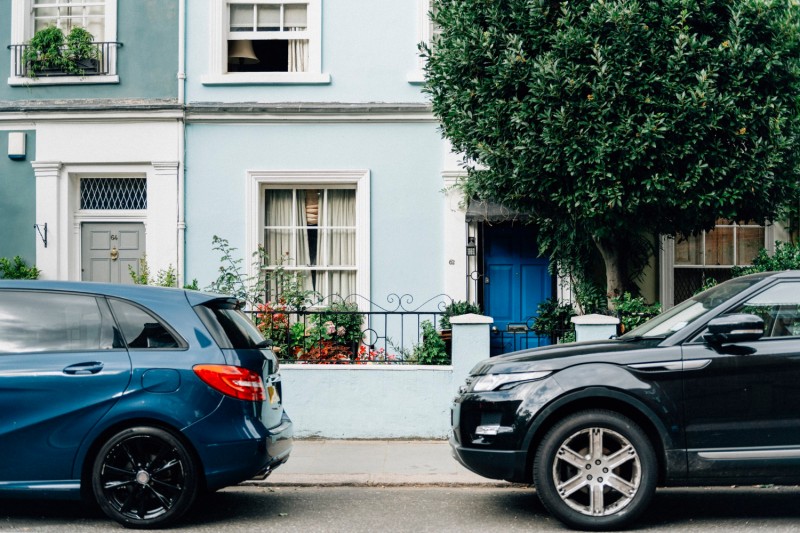
    <content type="html" xml:lang="en"><![CDATA[<p>There are several reasons why you might want to let your car insurance lapse – you might not be using your vehicle for an extended period of time, or cannot afford the insurance premiums. But if your car is uninsured, you are committing a crime if it is parked on a driveway and it is not covered with a SORN. In fact, did you know that it can be towed, clamped, impounded or destroyed?</p><p class="page-image pull-right"><span><img src="https://www.asm-autos.co.uk/image/4/800/800/images/two-parked-cars-in-front-of-terraced-houses-1500.jpg" style="width: 400px;" width="400" height="266" alt="Two parked cars in front of terraced houses" class="img-responsive center-block" loading="lazy" title="Image by rawpixel.com on Freepik" data-toggle="tooltip" data-placement="bottom"/></span></p><h2>Where can you keep an uninsured car?</h2><p>If your car is not currently insured then it is illegal to park it on the road, on a private driveway or garage. Since 2011 the police have had powers to impound or clamp uninsured vehicles on driveways, so it is an offence to keep an uninsured car anywhere. The DVLA keeps track of uninsured vehicles via the Motor Insurance Database. To park a car either on the public highway or private land requires it to have at least third party insurance cover.</p><p>The only option for a driver who wants to keep an uninsured or untaxed car is to apply for a <a href="/blog/how-do-i-get-my-car-back-on-the-road-after-sorn/">Statutory Off Road Notification</a> (SORN). A SORN is valid indefinitely, but a car with a SORN can still only be parked on private property – not on the road or a public car park.</p><p>If you are unsure of the law for uninsured vehicles, <a href="https://www.gov.uk/vehicle-insurance/uninsured-vehicles">find out more</a>.</p><h2>Car parked without insurance – what happens?</h2><p>If a car is suspected to be uninsured, it can be reported to the police. A range of penalties can be imposed. The owner can be issued with a fixed penalty notice, and the vehicle clamped, impounded or destroyed. Court action can lead to fines of up to £1,000, and a driving ban for the owner. The owner’s insurance premiums are likely to increase and a minimum of six points added to their driving licence.</p><h2>If I have a SORN, can I park anywhere?</h2><p>No, even if you have a SORN in place this doesn’t mean you can park on a public road. You can only park on a private driveway, garage or private road.</p><h2>If I don’t want a SORN, what other options do I have?</h2><p>You could take out a short-term insurance policy, which offer cover for days, weeks or months. This will enable you to legally drive and park a vehicle on a public road.</p><h2>How do I check if my car is insured?</h2><p>Occasionally insurance companies do make mistakes and fail to renew insurance on legitimate vehicles. It’s always worthwhile checking if insurance cover is in place for your vehicle, or if you are considering buying a second hand vehicle from a private seller. You can do this at <a href="https://enquiry.navigate.mib.org.uk/checkyourvehicle">Navigate</a>, which contains the data on all insured vehicles in the UK.</p><h2>How ASM helps to recycle impounded cars</h2><p>If you no longer need your vehicle, you can get it <a href="https://sell-your-car.asm-autos.co.uk/scrap-my-car/">scrapped at ASM Auto Recycling</a>. If you have a SORN in place, you won’t need insurance for us to collect it.</p><p>Plus, we often collect <a href="https://www.asm-autos.co.uk/online-salvage-auction/">salvage cars</a> throughout Oxfordshire, Buckinghamshire, Bedfordshire, and Hertfordshire, for storage at our HQ in Thame. We currently stock over 2,500 vehicles on-site. Many of these vehicles are carefully dismantled at ASM to supply used car parts for almost any vehicle, anywhere in the world. Our existing <a href="https://www.asm-autos.co.uk/used-car-parts/">used car parts</a> department stocks over 100,000 recycled parts ready for use, each covered by our very own 90-day guarantee.</p>]]></content>
  </entry>
  <entry>
    <title>Do speed awareness courses affect your insurance?</title>
    <link rel="alternate" type="text/html" href="https://www.asm-autos.co.uk/blog/do-speed-awareness-courses-affect-insurance/"/>
    <id>tag:www.asm-autos.co.uk,2011-01-03:blog.325</id>
    <updated>2026-02-23T12:16:00+00:00</updated>
    <content type="html" xml:lang="en"><![CDATA[<p>When drivers are caught speeding by the police, sometimes they are offered the option of attending a National Speed Awareness course, instead of a fine and penalty points. But does this mean that their <a href="/blog/what-is-gap-insurance/">car insurance</a> premiums will go up? Do you always have to tell your insurance company about speed awareness courses?</p><h2>Does a speed awareness course count as a conviction?</h2><p>No, a speed awareness course is not considered a driving conviction. For certain speeding offences, you are likely to be offered the opportunity to attend a <a href="https://www.gov.uk/book-national-driver-offender-retraining-course">speed awareness course</a> instead of a fine and penalty points on your driving licence. For example, if it is your first offence in the previous three years, and the incident has been within a specific speed range (eg: up to 42 mph in a 30 mph zone). If the speeding incident has not led to any criminal charges against the driver, then a speed awareness course may be the preferred method of rehabilitation.</p><h2>Will a speed awareness course affect your insurance premium?</h2><p>Yes, attending a speed awareness course could lead to an increase in your motor insurance premiums. Legally you are not obliged to tell your insurance company that you have taken part in a speed awareness course as a result of speeding. But if you are asked, you should declare that you have done so. If you don’t, this could invalidate your motor insurance policy.</p><p>Not every insurance company will put their premiums up if they know you have been caught speeding. If it is your first offence, they may take a positive approach. After all, the aim of speed awareness courses are to produce safer drivers. However, the chances are you will be seen as a ‘riskier’ driver and your premiums will increase. This may not be as much as if you had been fined and had penalty points put on your licence, so choosing to attend a speed awareness course would still be the better option.</p><h2>What happens if you don’t declare a speed awareness course to your insurer?</h2><h3>1. Voided insurance policy</h3><p>You run the risk of invalidating your insurance policy if you withhold information about speeding offences or incidents.</p><h3>2. Do police seize your vehicle?</h3><p>No, the police don’t seize or impound your car. If you fail to attend the speed awareness course, further action involving the police may take place.</p><h3>3. Vehicle put up for auction or scrap</h3><p>No, your car is not put up for auction or <a href="/scrap-my-car/">sold for scrap</a>.</p><h2>Take the medicine</h2><p>Don’t be tempted not to be honest about a speed awareness course, just to save some money. It may cost you much more in the long term.</p>]]></content>
  </entry>
  <entry>
    <title>How to change your engine oil</title>
    <link rel="alternate" type="text/html" href="https://www.asm-autos.co.uk/blog/how-to-change-your-engine-oil/"/>
    <id>tag:www.asm-autos.co.uk,2011-01-03:blog.1311</id>
    <updated>2026-01-26T12:13:00+00:00</updated>
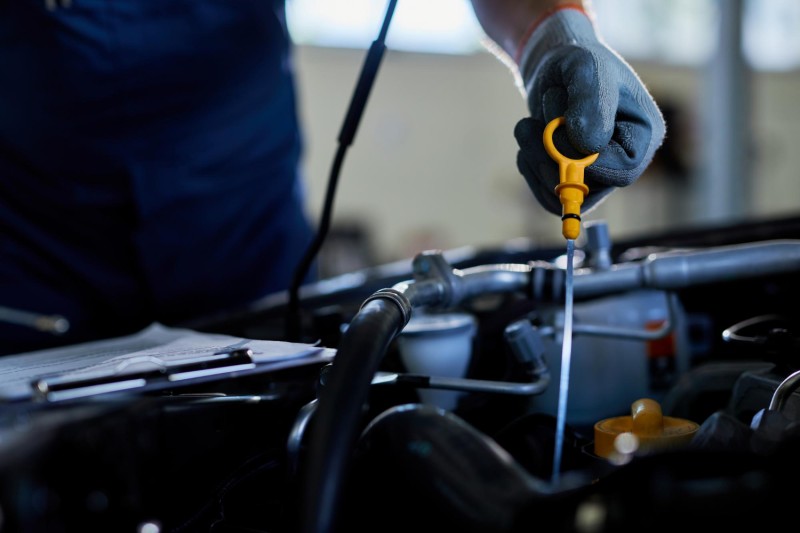
    <content type="html" xml:lang="en"><![CDATA[<p class="page-image pull-right"><span><img src="https://www.asm-autos.co.uk/image/4/800/800/images/how-to-change-your-engine-oil.jpg" style="width: 400px;" width="400" height="266" alt="Car mechanic checking oil dipstick" class="img-responsive center-block" loading="lazy" title="Image by Drazen Zigic on Freepik" data-toggle="tooltip" data-placement="bottom"/></span></p><p>Learning how to change engine oil is an incredibly valuable skill to learn. As well as extending the life of your car by thousands of miles, it’s also something that can save you a sizeable chunk of money over time. It’s one of those <a href="/blog/the-9-most-common-car-engine-problems-revealed/">things around your engine</a> to keep an eye out for.</p><p>Here’s our DIY guide to changing your engine oil.</p><h2>Make sure you buy the right filter and oil</h2><p>First things first; it’s extremely important that you follow your car-maker’s recommendations in terms of oil viscosity. All engine oil is no longer created equal, and getting the wrong type can result in poor performance, <a href="/blog/the-9-most-common-car-engine-problems-revealed/">potential engine damage</a> and even the dreaded ‘check engine’ light.</p><p>The same also goes for the oil filter. At one point, filters were all the same, but now different filters suit different oil change intervals. A car with an oil change recommendation of 3,000 miles will need a different filter to one with a recommendation of 6,000.</p><p>There is a big difference between an economy filter and a good one, and it’s one of those expenses where budgeting is a false economy, especially given that the price gap isn’t huge. So, make sure you get the correct oil filter for your car.</p><h3>The tools you need to change your engine oil</h3><p>Here are the tools you’ll need for changing your own engine oil:</p><ul>
<li>box-end wrench</li>
<li>rubber mallet</li>
<li>filter wrench</li>
<li>drain pan</li>
<li>new filter</li>
</ul><p>Before you get started, open a new bottle of oil and smear clean oil on the new filter’s gasket.</p><h2>Changing your engine oil in 10 steps</h2><p class="page-image pull-right"><span><img src="https://www.asm-autos.co.uk/image/4/800/800/images/how-to-change-your-engine-oil-2.jpg" style="width: 400px;" width="400" height="266" alt="Car mechanic filling engine oil" class="img-responsive center-block" loading="lazy" title="Image by freepik" data-toggle="tooltip" data-placement="bottom"/></span></p><ol>
<li><p>Changing your oil should take around 20 minutes as long as you’ve got everything ready to go.</p></li>
<li><p>Turn your engine on to warm it up. This will help the oil contaminants to drain more thoroughly.</p></li>
<li><p>Set out plastic sheeting on the ground and drive your car onto it. Make sure you are working on a solid, level surface.</p></li>
<li><p>Jack up your car and set the jack stands in place before lowering the car back down.</p></li>
<li><p>Place a drain pan beneath the engine and remove the drain plug. Allow the oil to drain thoroughly before re-installing the drain plugs.</p></li>
<li><p>Slide the drain pan under the oil filter. Using an oil filter wrench, remove the filter and wipe off the filter mounting surface using a clean towel.</p></li>
<li><p>Remove the old oil filter. Install the new filter by hand until the gasket touches the filter mount. Turn the filter once more to seal the gasket.</p></li>
<li><p>Re-install the drain plug using a new washer and tighten the drain plug.</p></li>
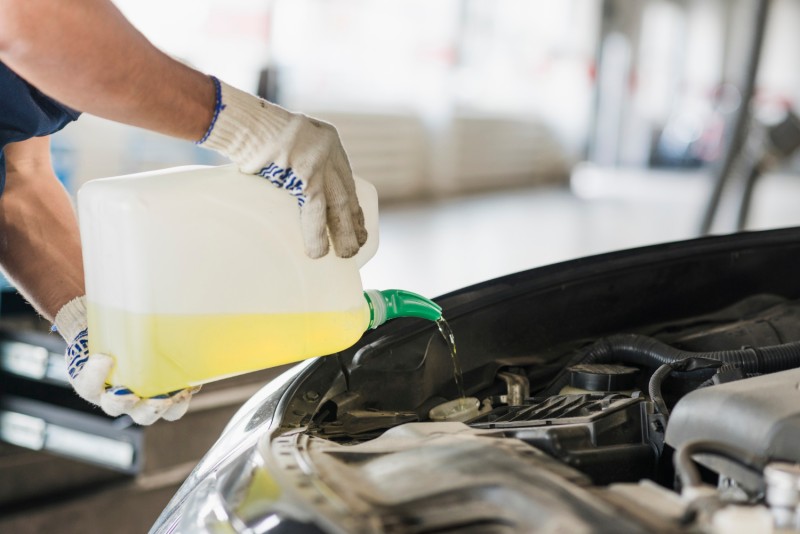
<li><p>Fill the engine using the manufacturer’s recommended engine oil type and amount (this information can be found in your vehicle owner’s manual if you’re not sure) and check to make sure no oil is leaking out.</p></li>
<li><p>Turn off the engine and check the oil level using the dipstick, adding more if the level isn’t yet at the ‘full’ mark. Ensure that you don’t over-fill the engine! Wipe any remaining drips down with a rag, and you’re done.</p></li>
</ol><h2>What other things should you bear in mind?</h2><p>Before changing your oil, make sure to follow these essential steps for safety and efficiency. If your engine is too cold, start it and let it run for about five minutes to warm up the oil, making it easier to drain. However, if the engine is too hot, allow it to cool down to avoid burns. When removing the drain plug, avoid using adjustable wrenches or sockets—opt for a properly sized box-end wrench instead.</p><p>Always use jack stands rather than relying solely on a jack, as working under an unsupported car is extremely dangerous. Before installing the new oil filter, coat its gasket with fresh oil to ensure a proper seal. When securing the filter, never use a filter wrench; always hand-tighten it. Lastly, organise all your oil bottles before starting the process to keep track of the amount you’re adding and prevent miscalculations.</p><h2>Engine oil change FAQs</h2><h3>How much oil does my car need?</h3><p>The amount of engine oil required for your car depends on its make, model, and engine size. You can find the specific capacity in your owner’s manual or on the manufacturer’s website. Most engines require between 4 and 6 litres of oil. Smaller engines typically need around 4 quarts, while larger engines may require up to 8 or 9 quarts. The type of oil used can influence the amount your engine needs also.</p><h3>Can I change engine oil myself?</h3><p>Yes. As long as you are confident in what you are doing, have the right tools and a suitable area in which to work, there is no reason why you can’t change engine oil yourself. Like <a href="/blog/basic-car-maintenance-how-to-change-your-car-battery-yourself/">changing a battery</a> or a <a href="/blog/how-to-change-a-tyre/">tyre</a>, if you’re not sure about what to do, go to a garage and let a professional mechanic do the job.</p><h3>Will my car run better after an oil change?</h3><p>Yes, there is no question about this. An oil change improves engine performance, lubricates the moving parts more, lowers the amount of dirt, particulates and other <a href="/blog/the-9-most-common-car-engine-problems-revealed/">impurities in the engine</a> and reduces the risk of overheating.</p><h3>What happens if you don’t change your oil?</h3><p>Not changing your engine oil at regular intervals will lead to increased wear and tear of your car’s engine, lower fuel efficiency and could eventually result in complete engine failure. Fresh oil does a better job in lubricating the engine and cooling it down. If you want to know more about doing more car maintenance yourself, we have a range of <a href="/blog/category/car-maintenance/">handy guides</a>.</p><h2>Find engine parts at ASM</h2><p>In our <a href="https://www.asm-autos.co.uk/used-car-parts/">used car parts</a> store you can search by your car registration, make and model and find all the parts that we have available for your vehicle. These include oil filters, fuel system parts, engine and transmission parts. You can also use our <a href="https://parts.asm-autos.co.uk/part-info-request/">parts enquiry form</a>. Plus, we offer a 90-day parts peace of mind guarantee for fitting used replacement engines or car parts purchased from ASM.</p>]]></content>
  </entry>
  <entry>
    <title>The ASM Stadium at Thame United FC</title>
    <link rel="alternate" type="text/html" href="https://www.asm-autos.co.uk/blog/asm-stadium-officially-opens-at-thame-united/"/>
    <id>tag:www.asm-autos.co.uk,2011-01-03:blog.139</id>
    <updated>2025-12-19T11:00:00+00:00</updated>
    <content type="html" xml:lang="en"><![CDATA[<p class="page-image pull-right"><span><img src="https://www.asm-autos.co.uk/image/4/800/800/images/thame-united-fc-oxfordshire-senior-cup-2023-win-colour-adjusted-_3.jpg" style="width: 400px;" width="400" height="209" alt="Thame United FC team gathered to celebrate a trophy win" class="img-responsive center-block" loading="lazy" title="Thame United FC team gathered to celebrate a trophy win"/></span></p><p>ASM Auto Recycling is a proud sponsor of local non-league football club <a href="https://www.thamefootball.co.uk/">Thame United FC</a>. The club plays at the 2,500 capacity ASM Stadium at Meadow View Park in Thame, and Aylesbury United also share use of the ground.</p><p>Thame United currently play in the Southern League Division One Central, at Step 7 of the English football pyramid. As well as its first team, the club fields many other sides, such as a women’s team, Under-21s and Reserves, and runs a thriving junior section for both boys and girls.</p><h2>When did the stadium open?</h2><p>The stadium opened in December 2010, and the Meadow View Park complex also includes conference and event facilities, training pitches and rooms for hire. Junior and community teams also play and train at the ASM Stadium. The opening of the stadium was marked with a match against Football League club Oxford United in 2011, and the ground’s record attendance was also set that day, of 1,381.</p><h2>Where do Thame United FC play?</h2><p>Thame United play at the ASM Stadium, Meadow View Park, Tythrop Way, Thame, OX9 3RN.</p><p><span><img src="https://www.asm-autos.co.uk/workspace/images/asm-stadium.jpg" style="width: 600px;" width="600" height="220" alt="Pitchside panoramic view of The ASM Stadium in Thame" class="img-responsive center-block" loading="lazy" title="Pitchside panoramic view of The ASM Stadium in Thame"/></span></p><h2>How do you get to the ASM stadium?</h2><p>If you are travelling to watch a football match at the ASM stadium in Thame, here’s how to get to the ground:</p><h3>By Road – M40</h3><p>Meadow View Park is situated on the outskirts of Thame. Leave the M40 at Junction 7 (Northbound), signposted Thame A329. Take the turning for the A329 (signposted Thame/Aylesbury). Proceed straight ahead at the first roundabout until you reach the end of the by-pass. Take the third exit onto Tythrop Way (A3011), then turn left into Meadow View Park.</p><h3>By Rail</h3><p>Meadow View Park is just 3 miles from Haddenham &amp; Thame Parkway Station and trains run frequently from London Marylebone. Local taxis are available from outside the station.</p><h2>Why does ASM sponsor the Thame United FC stadium?</h2><p><a href="/about-us/">ASM Auto Recycling</a> has always been proud to be part of the local community in all four counties where it has depots – Oxfordshire, Buckinghamshire, Bedfordshire and Hertfordshire. Supporting the football team in Thame, where ASM has its largest depot, is important to the company and we look forward to doing so for many years to come.</p><h2>Find out more about ASM</h2><p>Established for over 40 years, ASM Auto Recycling is one of the UK’s leading vehicle salvage agents and parts recyclers. We are an Authorised Treatment Facility, processing over 35,000 vehicles every year. Find out more about how to <a href="https://sell-your-car.asm-autos.co.uk/scrap-my-car/">scrap your vehicle</a> with ASM, and about our other services, such as our <a href="https://www.asm-autos.co.uk/used-car-parts/">used parts store</a> and <a href="https://www.asm-autos.co.uk/online-salvage-auction/">online salvage auction</a>.</p>]]></content>
  </entry>
  <entry>
    <title>Should I sell my van?</title>
    <link rel="alternate" type="text/html" href="https://www.asm-autos.co.uk/blog/should-i-sell-my-van/"/>
    <id>tag:www.asm-autos.co.uk,2011-01-03:blog.1411</id>
    <updated>2025-11-24T12:43:00+00:00</updated>
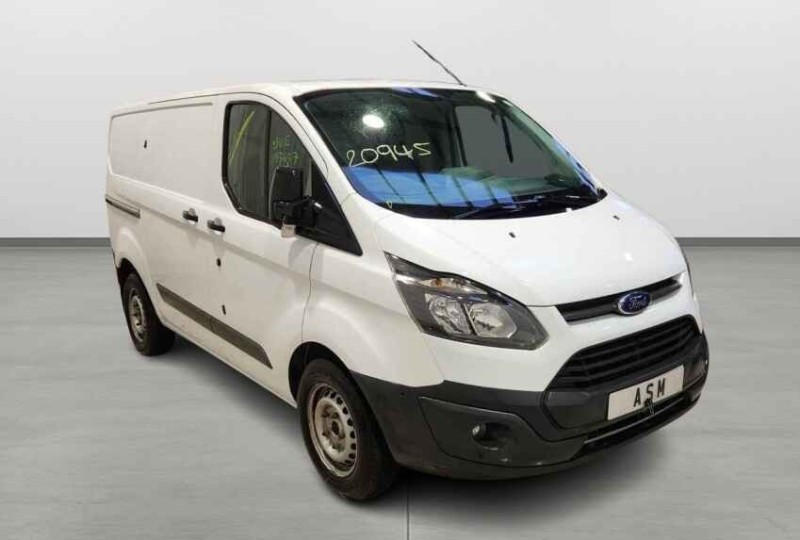
    <content type="html" xml:lang="en"><![CDATA[<p class="page-image pull-right"><span><img src="https://www.asm-autos.co.uk/image/4/800/800/images/67dfa956-5df0-4146-8b7f-39b738851b70_crop.jpg" style="width: 400px;" width="400" height="269" alt="White van recently acquired by ASM Auto Recycling" class="img-responsive center-block" loading="lazy" title="White van recently acquired by ASM Auto Recycling"/></span></p><p>Your van gets you from job to job, carries your tools and advertises your business. You may not be able to do without it. However, the time will come when you’ll need to replace and <a href="/scrap-my-van/">sell your van</a>.</p><p>Light commercial vehicles are no different to cars – they too will develop <a href="/blog/which-car-parts-need-to-be-replaced-the-most-often/">common faults</a> after they have been on the road for a while. If you find your van needs regular repairs, and has a long service history, perhaps it is time to sell and invest in a new van.</p><p>In this guide we look at the signs that you might need to sell your van or repair with <a href="https://www.asm-autos.co.uk/used-car-parts/">replacement parts</a>, if you should <a href="/scrap-my-van/">sell your van for scrap</a>, and how to prepare your van to be sold or scrapped.</p><h2>Signs that you should sell your van</h2><h3>1. Age &amp; depreciation</h3><p>Like any vehicle, the moment your van left the forecourt its value was depreciating. According to the motor valuers Parkers, the biggest losses, an average of £14,000-£15,000, occur during the first three years of a van’s life. So, it is not advisable to sell during this time. Manufacturer’s warranties are also likely to cover you for all or some of this period. Your van will be running at its best at this stage.</p><p>After three years the loss to the value of your van will slow and will give you the best return on your investment (if you decide to sell). Once a van is over five years old the depreciation rate will slow down even further, potentially retaining between 20%-30% of its original value, and you could run the risk of wear and tear making the van worth very little. However, you need to balance this out against the usage you will still get out of the vehicle, how well it runs and the number of repairs it needs.</p><h3>2. Rising repair costs</h3><p>Any van owner will have to deal with common problems as any vehicle ages, such as clutch issues, exhaust, brakes. Most issues can be fixed fairly quickly and at manageable cost. However, if more serious issues arise which aren’t as easily fixed and repairs start to add up, it might be time to consider replacing your van, as it will become more expensive to keep your van on the road than to replace it.</p><p>Signs of rising repair costs:</p><ul>
<li>Major components like the engine, gearbox, or suspension need replacing.</li>
<li>Your van fails its MOT due to multiple issues.</li>
<li>Repair bills exceed the van’s resale value.</li>
</ul><h3>3. Your van no longer fits your needs</h3><p>Over time, your van may no longer be the right fit for your lifestyle or business. Whether it’s too small, too big, or simply not practical anymore, upgrading or downsizing could be a better option. If this is the case and your van is sitting unused or no longer suits your needs, selling it now could help you get a better price before depreciation lowers its value further.</p><h2>Should I sell my van for scrap</h2><h3>When scrapping your van makes sense</h3><p>In certain cases, it makes more sense to sell your car for scrap rather than through other means of selling. For example, if your van has failed its MOT and the repair costs outweigh its value, or if your van has sustained severe damage from an accident, excessive rust, or ongoing mechanical failures, and as a result making your van unsafe to drive or too expensive to fix. It’s also important to recognise that high-mileage vans may have a limited resale appeal, so older models with little market demand might attract better offers from scrap dealers than private buyers.</p><h3>How much will I get if I scrap my van?</h3><p>The scrap value of your van will depend on a few factors, including the condition, make, model and year of manufacture. You can use our free <a href="https://sell-your-car.asm-autos.co.uk/scrap-my-car/">online car valuation tool</a> to get an instant preview of the total amount you could receive.</p><h3>The environmental benefits of scrapping</h3><p>Scrapping your van is not just about getting rid of an unwanted vehicle, it’s also an <a href="/sustainability/environmental/">environmentally responsible choice</a>. Modern scrapping processes allow up to 95% of a van’s materials to be recycled, reducing waste and minimising landfill impact.</p><p>At ASM, our state-of-the-art vehicle dismantling facility is designed to work in accordance with the European End-of-Life Vehicle Directive, ensuring all hazardous waste and toxins are removed from scrap vehicles and disposed of as part of the ‘green’ de-pollution process. We even ensure that metals and valuable metals can be re-used. Increasing our use of non-renewable supplies helps us provide a better environment.</p><h2>Get your van ready for sale</h2><h3>Gather your paperwork</h3><p>Before selling your van, having the right documents ready will make the sale process smoother. Buyers (whether private, trade, or scrap dealers) will expect certain paperwork in order to verify ownership and the van’s history.</p><p><strong>Essential documents to have:</strong></p><ul>
<li>V5C Logbook</li>
<li>MOT Certificate</li>
<li>Service History</li>
<li>Receipts for Repairs &amp; Parts</li>
<li>Finance Settlement (if applicable)</li>
</ul><h3>Clean and fix minor damage</h3><p>Rusty wheel arches, scratches, chipped paintwork, tears to the seating; all these little things will reduce the price a private buyer is prepared to pay. Get them cleaned and fixed up, if possible, before you put your van on the market.</p><h3>Remove branding</h3><p>If you are considering a private sale, and it is possible to do so, remove any personal branding on your van. You don’t know where your old van is going to end up, plus you will get a better price if it is a blank canvas for its new owner.</p><h2>Sell your van at ASM</h2><p>ASM Auto Recycling will <a href="/buy-my-vehicle/buy-my-van/">buy your van for scrap</a> or assess what parts can be recycled. There are some deciding factors on what price you will get. These will be its mileage, service history and overall condition.</p><p>ASM Auto Recycling offers a hassle-free way to sell your van. We are an authorised and regulated yard with decades of experience in car and van buying. <a href="https://sell-your-car.asm-autos.co.uk/scrap-my-car/">Get your instant online van valuation</a> from us today.</p>]]></content>
  </entry>
  <entry>
    <title>Top Ten European driving tips</title>
    <link rel="alternate" type="text/html" href="https://www.asm-autos.co.uk/blog/top-ten-european-driving-tips/"/>
    <id>tag:www.asm-autos.co.uk,2011-01-03:blog.643</id>
    <updated>2025-10-24T12:00:00+01:00</updated>
    <content type="html" xml:lang="en"><![CDATA[<p class="page-image pull-right"><span><img src="https://www.asm-autos.co.uk/image/4/800/800/images/pexels-photo-269790.jpeg" style="width: 400px;" width="400" height="266" alt="Map of Europe" class="img-responsive center-block" loading="lazy" title="Map of Europe"/></span></p><p>When travelling abroad, a car helps you to maximise your reach and experience everything offered by your holiday destination.  Driving through Europe is a renowned pleasure. In fact, in regards to the law it’s not too different from driving in the UK.  However, if you’re planning a journey to the continent, there are a few pieces of advice we’d like you to be aware of. Read on for our top ten tips for driving in Europe.</p><h2>1. Understanding the driving culture in Europe</h2><p>When driving on European expressways, expect tolls in Mediterranean countries like France, Spain, and Italy, costing around £5-£6 per hour. Some countries, such as Austria, Switzerland, and Hungary, require a permit sticker, available at fuel stations or border crossings, with a short-term permit costing around £8-£16. Using expressways saves time and fuel, but skipping the permit may result in fines of up to £120.</p><p>Tips:</p><ul>
<li>If you’re renting a car, it is always a good idea to check for valid permits, before purchasing a new one.</li>
<li>If you stick to secondary roads instead of expressways, you can avoid fees.</li>
</ul><p>Urban areas often have congestion charges or traffic restrictions, like in Italy or Norway. Research local rules to avoid fines from automated systems and ask hotels for parking options in restricted zones.</p><p>Finally, drive defensively, as local customs vary widely. In Italy and Greece, for instance, red lights are sometimes treated as suggestions. Stay cautious and alert to unfamiliar driving practices.</p><h2>2. Overtaking in Europe</h2><p>When overtaking in Europe, the usual guidance still applies. Be confident, but be cautious. However, there are some regional habits and differences worth being aware of. Most European countries drive on the right-hand side of the road, which means overtaking will generally be done on the left.</p><p>Other things to be aware of:</p><ul>
<li>On narrower, winding roads, pay attention to the driver ahead - drivers may use their indicators to alert the faster driver behind of a safe overtaking opportunity.</li>
<li>Be sure you understand local road markings differ from the UK’s.  For example, in France, a single solid white line in the centre of the road prohibits overtaking in both directions. In Germany this is signified by a double white line.</li>
<li>Avoid lingering in the “passing lane” or to attempting to undertake. In many European countries, this kind of driving is considered to be illegal.</li>
</ul><h2>3. Be prepared with local knowledge</h2><p>By this we don’t mean arming yourself with notes of local attractions, tourist sites or the hottest spots for food and drink.  When you’re driving on foreign roads, it’s very handy to have a basic understanding of what you’re going to face – geographically and culturally. For instance, France and Germany restrict driving in certain weather conditions.</p><p>Here are some tips for those who’d rather steer clear of potential trouble:</p><ul>
<li><strong>Navigation:</strong> Update your sat nav with European maps well in advance, as downloads can take time. Keep a backup map book for emergencies and study your route beforehand to catch potential sat nav errors.</li>
<li><strong>Traffic Rules:</strong> Turning right on red lights is illegal unless explicitly indicated, particularly in Germany. Verify local traffic laws at your destination.</li>
<li><strong>Hands-Free Driving:</strong> Nearly all countries ban using phones without a hands-free device. Equip yourself accordingly to avoid misunderstandings with local authorities.</li>
</ul><h2>4. Travelling with children</h2><p>When it comes to travelling with children, European Union rules differ very little from our own.  That means children up to 12 years old – or up to 135cm tall – must legally have a suitable child car seat.  Children under 12 aren’t allowed in the front seat without an appropriate booster seat.  Some countries even extend front-seat bans for children up to the age of 18.  Be sure to check which applies to you and avoid any holiday blues.</p><h2>5. Notes about lights</h2><p>Many European countries require headlights to be kept on whenever the car is running – even during the day. While carrying a spare bulb kit is always a smart idea, it’s actually a legal requirement in France, along with the equipment you’d need to access the bulbs.</p><p>If you’re driving in Spain, don’t be alarmed if drivers behind you are flashing their headlights; it is Spanish law for drivers to warn motorists of their intention to overtake in this manner.</p><h2>6. Prepare for every eventuality</h2><p>A little preparation goes a long way when driving abroad. From ensuring your car is road-ready to documenting potential issues, these steps can save you time, money, and hassle.</p><p><strong>Top Tips:</strong></p><p><strong>Get your car serviced:</strong><br/>
Book a service before the holiday rush to keep your car in optimal condition. A well-maintained vehicle reduces the risk of breakdowns and costly repairs overseas.</p><p><strong>Bring a camera:</strong><br/>
Carry a camera for more than just sightseeing. If an accident occurs, immediately photograph any damage to strengthen your insurance claim and protect against false allegations.</p><p><strong>Bonus tip:</strong><br/>
If hiring a car, photograph any evidence of existing damage to show the hire company. Ensure they accept liability for those damages before you put pen to paper and confirm the rental.</p><h2>7. Insurance and breakdown coverage</h2><p>Although many car insurance policies include cover for driving abroad, it’s a good idea to double check this prior to setting out. Some insurance companies may require an extra payment to cover a hired vehicle.  In either case, you’ll also want to ensure the countries you’re visiting are covered.</p><p>Likewise, make sure you’re covered in the event of breaking down. Your UK breakdown cover won’t automatically cover travel abroad. Pan-European coverage can be a lifesaver if your car experiences failure on a foreign motorway.</p><p>Also consider adding additional drivers who are joining you on the trip. When you’re making a long-distance journey, it’s nice to be able to rely on another person at the wheel and take a break without losing progress.</p><h2>8. Driving Licence</h2><p>British drivers are advised to carry both parts of their driving licence.  Any non-European licence should be coupled with an International Driving Permit. You’ll be required to supply both parts if you want to hire a car, and especially in the case of being stopped by police.</p><h2>9. Drink driving</h2><p>Driving under the influence is never a good idea, but it’s especially risky in Europe, where the tolerated blood alcohol level is often much lower.  In Spain, drivers who have been on the road for fewer than two years are over the limit at only 0.1 unit per mg.  For more experienced drivers, the tolerance is set at 0.5, the equivalent of one small beer.</p><p>In France, it’s illegal to drive a car – or ride a motorbike – without access to your own breathalyser. You’ll be fined if found without one, and being caught over the limit could lead to jail time.</p><h2>10. Other useful kit to take</h2><p>The usual supplies are recommended, of course – a spare tyre or emergency repair kit, for instance. While you’ll want to ensure the spare you have is fit for driving, also double check that your sealant bottle, pump and car jack are in working order.</p><p>A light-reflecting warning triangle is sensible to carry and a legal requirement in many European countries.  Some amongst them have an additional rule that drivers should also carry a reflective safety vest.</p><p>We hope these tips prove useful to you in whatever adventure you’re plotting. With the right preparation, there’s no reason a European road trip shouldn’t go as swimmingly as a drive around your own neighbourhood.</p>]]></content>
  </entry>
  <entry>
    <title>The Ultimate MOT Guide</title>
    <link rel="alternate" type="text/html" href="https://www.asm-autos.co.uk/blog/mot-the-complete-guide/"/>
    <id>tag:www.asm-autos.co.uk,2011-01-03:blog.1363</id>
    <updated>2025-09-24T11:01:00+01:00</updated>
    <content type="html" xml:lang="en"><![CDATA[<p class="page-image pull-right"><span><img src="https://www.asm-autos.co.uk/workspace/images/car_photo_410482.jpg" style="width: 400px;" width="400" height="266" alt="MOT vehicle testing station sign" class="img-responsive center-block" loading="lazy" title="MOT vehicle testing station sign"/></span></p><p>What is an MOT? The MOT (Ministry of Transport) test is Britain’s annual test of vehicle safety, roadworthiness and emissions. An MOT is a legal requirement in the UK, and if you own a car above a certain age, you’ll need to have regular MOTs. So, we have created an MOT guide that helps you to better understand what the MOT involves, when your MOT is due and what happens if your car fails.</p><h2>Why your car requires an MOT certificate</h2><p>The MOT test is designed to ensure that your vehicle meets road safety and environmental standards: as such, it’s something that must be carried out annually.</p><p>You’re legally required to get an MOT for a vehicle either on the third anniversary of its registration, or the anniversary of its last MOT, if the vehicle is over three years old.</p><p>There are a few vehicles that need to be tested having been on the road for only a year. These include <a href="https://www.gov.uk/getting-an-mot/mot-test-fees">ambulances, taxis and private passenger vehicles with more than 16 passenger seats</a>.</p><h2>How do you know when your MOT is due?</h2><p>To check whether your vehicle requires an MOT test or check its MOT history, you <a href="https://www.gov.uk/check-mot-history">can do so on Gov.UK</a>.</p><p>An MOT is certified for a year and the date it runs out will be printed on the most recent certificate. You can book an MOT up to a month (minus a day) before the certificate runs out and you’ll still be permitted to keep the same renewal date.</p><p>You cannot legally drive your vehicle on the road without a valid MOT certificate, so if your MOT has expired you will be prosecuted if caught by the police.</p><p>There are two exceptions to this:</p><ul>
<li>If you’re driving to or from somewhere to have the vehicle repaired</li>
<li>If you’re heading to a pre-arranged MOT test</li>
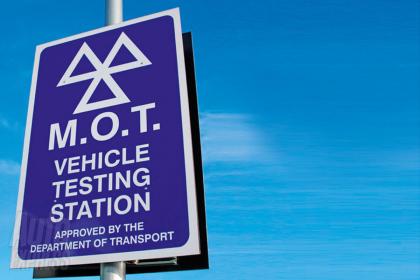
</ul><h2>How do you book an MOT for your vehicle?</h2><p>MOT’s must be carried out at an approved MOT test centre. An approved test centre will show the blue sign (shown above) with three white triangles — the symbol that represents certification.</p><h2>What is the most a garage can charge for an MOT?</h2><p>There is a maximum amount that an MOT test centre can charge. <a href="https://www.gov.uk/getting-an-mot/mot-test-fees">Check what the current maximum fee</a> is. Don’t pay more than this. VAT also cannot be charged on an MOT fee.</p><h2>What is checked at an MOT test?</h2><p>A number of important parts on your vehicle will be checked to ensure that they meet the legal standards. These include the brakes, fuel system, lights, windscreen wipers and exhaust system. However, an MOT doesn’t cover the condition of the engine, the clutch, or the gearbox.</p><h2>Understanding the result of your vehicle’s MOT</h2><p>The MOT result is presented as either a pass or fail. If your car fails the test, you’ll be given a list of things that need to be repaired before it can pass. If it passes, you’ll be given an MOT certificate from the test centre and the result of the test will be recorded in the national MOT database.</p><p>You’ll also notice that your MOT certificate will show the mileage recorded at the current and previous three test passes. It’s important to have a quick look at these figures, which are recorded as the ‘odometer reading and history’, as you need to report any mistakes on the reading to the MOT centre within seven days in order to obtain a replacement certificate.</p><p>Your full MOT history, including both passes and fails, can be easily accessed on the <a href="https://www.gov.uk/check-mot-history">Gov.uk website</a>. Checking this history before your MOT appointment allows you to review previous issues and ensure potential concerns are addressed beforehand, minimising the chance of failing due to avoidable reasons.</p><h2>What most often fails an MOT?</h2><p>It is easy for a car to fail an MOT. Faulty headlight bulbs, inadequate suspension, worn brake pads and tyres with low tread depth are common reasons for failure. There are some very simple ways to fail that drivers may not even be aware of. For example, screen wash that isn’t topped up or warning lights on the dashboard will see your car being failed immediately. Believe it or not, a car full of rubbish can mean a failure before the test even starts – this is because an MOT tester needs to be able to easily access every part of your vehicle.</p><h2>What happens if your vehicle fails an MOT?</h2><p>If your vehicle fails, you will be given a ‘Refusal of an MOT test certificate’ document from the test centre, and the result will be recorded in the <a href="https://www.gov.uk/check-mot-history">MOT database</a>.</p><p>In the result of a fail, you can take your vehicle away if your MOT certificate is still valid. If your MOT has run out, you can still drive your car if it is to take it to a garage to have the failed defects fixed. Often you can have them fixed at the garage where the MOT test took place. If a dangerous defect is found during the MOT, and you want to move the vehicle, you will have to get it towed.</p><p>Your car insurance and tax will become invalid as soon as your car fails an MOT, or your MOT expires.</p><h2>What is an advisory?</h2><p>Whether your car passes or fails its MOT, your test certificate may include ‘advisories’ – these are issues with the vehicle which the examiner has noted that need addressing. They are not in themselves enough to fail an MOT, but if left unresolved they may do in the future.</p><h2>What happens if you want to appeal your MOT?</h2><p>You can appeal <a href="https://www.gov.uk/getting-an-mot/problems-with-your-test-result">against the result</a> of an MOT test. Usually this would be if you think it should have passed, but you can also appeal if you think the vehicle should have failed. You do this through the <a href="https://www.gov.uk/government/organisations/driver-and-vehicle-standards-agency">Driver and Vehicle Standards Agency</a> (DVSA), by filling in a <a href="https://www.gov.uk/government/publications/complain-about-an-mot">complaint form</a> and sending it to the DVSA within 14 working days of the test. You will be offered an appointment within five days to recheck your vehicle - you’ll need to pay the full test fee again - and the DVSA will send you an inspection report listing any vehicle defects and advisory changes that need to be made.</p><p>If you want to, you can take your own action against an MOT test centre through trading standards, legal proceedings or through reporting the centre to the police. The DVSA won’t help you in any way if you decide on this course of action.</p><h2>What happens if you drive without a valid MOT certificate?</h2><p>If you are caught driving a vehicle without a valid MOT you can be fined £1,000. However, you are more likely to be given a fixed penalty notice fine of £100, which has to be paid within 28 days.</p><p>If your car failed with a major fault and has been classed as dangerous to drive, you can be fined up to £2,500 if you are caught driving without a valid MOT. In these circumstances you could be banned from driving for six months and be given penalty points on your licence.</p><h2>How do I get a replacement MOT certificate?</h2><p>If you’ve lost or damaged your MOT certificate, you can get a replacement online through the <a href="https://www.gov.uk/replacing-lost-damaged-mot-certificate">Gov.uk website</a>. To do this, you’ll need the vehicle registration number and either the 11-digit reference number from your V5C logbook or the most recent MOT test number.</p><p>You can also request a replacement certificate in person from any MOT centre. Simply provide your vehicle registration and proof of identity, and they’ll issue a new one for a small fee.</p><h2>Keep your car in good condition with parts from ASM</h2><p>One of the most effective ways to ensure your car is in great condition – and has a better chance of passing its MOT – is through replacing those older parts. In our <a href="https://www.asm-autos.co.uk/used-car-parts/">used car parts</a> store you can search by your car registration, make and model and find all the parts that we have available for your vehicle. You can also use our <a href="https://parts.asm-autos.co.uk/part-info-request/">parts enquiry form</a>.</p>]]></content>
  </entry>
  <entry>
    <title>How to sell your car before you emigrate</title>
    <link rel="alternate" type="text/html" href="https://www.asm-autos.co.uk/blog/how-to-sell-your-car-before-you-emigrate/"/>
    <id>tag:www.asm-autos.co.uk,2011-01-03:blog.1070</id>
    <updated>2025-08-26T11:30:00+01:00</updated>
    <content type="html" xml:lang="en"><![CDATA[<p>Moving abroad can be a stressful process, but selling your car before you leave needn’t be as difficult as some suggest: Plan enough time to sell your vehicle: you will still need it before you go away, but it’s going to make things difficult if you haven’t sealed the deal before you depart; three weeks should be enough time, but it depends on the car and the price you are looking for. If you are selling it last minute don’t be afraid to accept less than market value for it, you need the sale after all.</p><h2>Why sell your car at all?</h2><p>There are many reasons why you would want to sell your car instead of taking it with you. It may be that the car is low in value and not worth the hassle of shipping. It could also be that the car you have wouldn’t work as well for you in your new home abroad. Or, that you need the money to fund the move. However, the main reason you might <a href="https://sell-your-car.asm-autos.co.uk/scrap-my-car/">sell your car</a> before emigrating is simply due to shipping costs.</p><h3>How expensive is it to ship a car?</h3><p>Shipping a car, as you might expect, isn’t hugely affordable. As an example, the average cost of shipping from the UK to Spain is approximately £750-£1,000 at time of writing. But if you’re looking further afield, <a href="https://www.autoshippers.co.uk/AutoShipping_USA.htm">like the USA</a>, you’d be expecting to pay more along the region of £1,200-£2,000. It will also be more expensive the larger the car, so a 4x4 will cost more to ship than a saloon.</p><p>For the money you’d need to pay the shipping, plus any hidden fees or additional costs, it’s often cheaper to simply sell your current car and buy a new one when you arrive at your new home.</p><h2>What are the 3 ways to sell?</h2><h3>Sell your car privately</h3><p>You can try and sell your vehicle privately to the highest bidder by taking out an advert in a local paper or motoring magazine/website. This is likely to take the longest amount of time but will potentially give you a very good price. Beware of the hassle involved too: you will need to wait for appointments to arrive, carry out test drives and be prepared to haggle. Early morning phone calls and no shows may drive you mad, but you could get lucky and find the perfect buyer, first time, too.</p><h3>Through a dealership</h3><p>Dealerships may buy your motor if it has a relatively low mileage and is in good condition, guaranteeing a quick sale. However, be prepared to forego on price because the dealer will need to add on a margin to their sale price to make a profit. Unless your vehicle is in very good condition, they may not choose to buy it, so <a href="/blog/your-rights-when-buying-a-used-car-from-a-dealer/">be prepared for disappointment</a>.</p><h3>With ASM Auto Recycling</h3><p>ASM Auto Recycling can take your car off your hands quickly and easily, just <a href="https://sell-your-car.asm-autos.co.uk/scrap-my-car/">fill in your registration details</a> for a quick and easy quote. We will buy your car whatever its condition – whether it’s fully-working, damaged-repairable, end-of-life or scrap, you can be paid quickly and fairly every time.</p><h2>What to consider once you move</h2><h3>Do I need a new driving licence?</h3><p>All European Union countries will accept a British Driving Licence as proof of your ability to drive, while <a href="https://austroads.gov.au/drivers-and-vehicles/overseas-drivers">Australia lets you use it for a limited period</a>. To drive in many other countries you will need an <a href="https://www.gov.uk/driving-abroad/international-driving-permit">International Drivers permit (IDP)</a>, which you will need to acquire before you leave and carry when driving, together with your UK licence.</p><h3>Car insurance and vehicle tax</h3><p>Your no claims bonuses are very unlikely to be taken into account abroad, so you may well have to start all over again, which may seem a little unfair. Be sure to check insurance costs before committing to buying a vehicle, as regulations vary from country to country.</p><p>Countries vary on their rules regarding <a href="/blog/how-to-tax-your-car-the-complete-guide/">vehicle tax</a>, with many European nations demanding that you display your tax certificate. Being caught without vehicle tax in a new country isn’t a good way to start your new life, and could result in you being arrested and detained, so make sure you check with the <a href="https://www.gov.uk/government/publications/foreign-embassies-in-the-uk">UK embassy of your destination country</a> before you leave.</p><h3>Rules when driving abroad</h3><ul>
<li><p>Foreign countries have lots of different road rules which you will need to learn quickly; aside from countries like France driving on the right-hand side, others, like America, have different signs (‘Stop’ at junctions), no overtaking school buses, turn right at red lights etc.</p></li>
<li><p>Others have different manoeuvres, like Melbourne in Australia, which require ‘hook’ turns to give way to oncoming trams.</p></li>
<li><p>Make sure you are aware of all the new road rules before driving by reading a copy of their highway code. You can <a href="https://www.gov.uk/driving-abroad">check out the Government’s website</a> for more details on individual countries’ driving regulations.</p></li>
<li><p>While it may seem like a good idea to take your vehicle abroad with you, <a href="/blog/top-ten-european-driving-tips/">particularly in the EU</a>, a right-hand drive car will cause you problems when driving on the right-hand side of the road, particularly when using toll booths and drive-through windows. It’s probably a better idea to <a href="/scrap-my-car/">sell your car and start from scratch</a>, especially if your move overseas is a long term one.</p></li>
<li><p>If you are worried about driving abroad, don’t be: take some lessons when you arrive, and it will soon become second nature!</p></li>
</ul>]]></content>
  </entry>
  <entry>
    <title>What is the most economical car I can buy?</title>
    <link rel="alternate" type="text/html" href="https://www.asm-autos.co.uk/blog/what-is-the-most-economical-car-i-can-buy/"/>
    <id>tag:www.asm-autos.co.uk,2011-01-03:blog.1081</id>
    <updated>2025-07-30T12:15:00+01:00</updated>
    <content type="html" xml:lang="en"><![CDATA[<p>When buying a new car, we can often get excited about new features, its colour, and look, but it is also a great idea to consider running costs. Fuel prices fluctuate, but it’s rare that they drop a huge amount, so your new car needs to be affordable to fill up, especially if you use it regularly. This guide will show you some of the most economical cars available, helping you pick the right one for you.</p><p>We also have a helpful <a href="/blog/what-to-check-when-buying-a-used-car/">guide to buying a used car</a> for you to read before you purchase anything second-hand.</p><p>Click on a model to jump to more information.</p><ol>
<li><a href="#hyundai-ioniq-phev">Hyundai IONIQ PHEV</a></li>
<li><a href="#kia-niro-phev">Kia Niro PHEV</a></li>
<li><a href="#mercedes-e-300">Mercedes E 300 de</a></li>
<li><a href="#skoda-octavia">Skoda Octavia</a></li>
<li><a href="#volkswagen-golf">Volkswagen Golf</a></li>
<li><a href="#suzuki-swift">Suzuki Swift</a></li>
</ol><h2 id="hyundai-ioniq-phev">Hyundai IONIQ PHEV</h2><p>The Ioniq <abbr title="Plug-in hybrid electric vehicle">PHEV</abbr> with its large battery pack is far more efficient than its diesel counterparts, and when fully charged, has a range of 25 to 30 miles on electric power alone, although the petrol engine does provide a boost when you push the accelerator hard. It has a motorway fuel economy of up to 70mpg. Hyundai also makes a non-plug-in version of the Ioniq, which is less efficient but cheaper.</p><p><strong>Official Miles Per Gallon (MPG): 62.8mpg</strong></p><p><strong>Claimed electric range: 39 miles</strong></p><h2 id="kia-niro-phev">Kia Niro PHEV</h2><p>The Kia Niro Plug-in Hybrid makes a great family car thanks to its size, plus offers excellent fuel economy. It has all the benefits of an off-road car, with the comfort and stability of a standard hatchback. The hybrid system will power the car on electric energy alone for around 35 miles, meaning longer journeys can be boosted with the petrol system.</p><p><strong>Official Miles Per Gallon (MPG): 53.3 – 64.2mpg</strong></p><p><strong>Claimed electric range: 35-40 miles</strong></p><h2 id="mercedes-e-300">Mercedes E 300 de</h2><p>The Mercedes E-Class comes in the choice of a petrol or diesel plug-in hybrid car. Both the Mercedes E 300 de (diesel) and E 300e (petrol) have official fuel economy figures of more than 150mpg, with the diesel a little more efficient for longer journeys, hence it pipped the petrol version to the post. On electric power alone, both achieve around 30-35mpg.</p><p><strong>Official Miles Per Gallon (MPG): 201.8mpg</strong></p><p><strong>Claimed electric range: 33 miles</strong></p><h2 id="skoda-octavia">Skoda Octavia</h2><p>The Skoda Octavia stands out as one of the most fuel-efficient family cars, offering both petrol and diesel engine options with exceptional mileage. The diesel variant achieves up to 68mpg, making it ideal for long-distance commuters, while the petrol models deliver impressive efficiency for city driving. Its low running costs and advanced aerodynamics make it a favourite among economy-focused drivers.</p><p><strong>Official Miles Per Gallon (MPG): 68.9mpg</strong></p><p><strong>Most efficient model variant: SE Technology hatchback 116PS (Manual)</strong></p><h2 id="volkswagen-golf">Volkswagen Golf</h2><p>The Volkswagen Golf combines legendary reliability with remarkable fuel efficiency, offering petrol, diesel, and plug-in hybrid options. The plug-in hybrid Golf GTE achieves up to 200mpg under optimal conditions, while diesel models excel at around 64mpg for extended journeys. Its energy-saving technology and compact design ensure wallet-friendly fuel consumption.</p><p><strong>Official Miles Per Gallon (MPG): 68.9mpg</strong></p><p><strong>Most efficient model variant: Match 2.0 TDI (Manual), Estate 2.0 TDI, MK8</strong></p><h2 id="suzuki-swift">Suzuki Swift</h2><p>The Suzuki Swift shines as a compact hatchback with superb fuel economy, featuring a mild-hybrid petrol engine that enhances efficiency. Capable of achieving up to 65mpg, it’s perfect for both urban commutes and short trips. Lightweight construction and a clever hybrid system make it one of the most economical choices in its class.</p><p><strong>Official Miles Per Gallon (MPG): 64.0mpg</strong></p><p><strong>Most efficient model variant: Motion (Manual)</strong></p><h2 class="attraction">Looking for an economical used car? <a href="https://auctions.asm-autos.co.uk/Search?seller[]=be459725-2b3a-4c80-b8ce-e1881ac2dbc4&amp;auction[]=Car">Check out our salvage auction</a>.</h2><h2>Let ASM help you find the best used car</h2><p>We have plenty of other guides to help you on <a href="/blog/category/used-cars/">our blog</a>, so be sure to check for the latest advice.</p><p>If you are on the hunt for your next car, ASM Auto Recycling has consistent stock of repairable vehicles, offering <a href="https://www.asm-autos.co.uk/online-salvage-auction/">regular online auctions</a> supported by our site in Thame, Oxfordshire. For help <a href="/blog/buying-used-cars-at-online-auctions/">buying used cars at online auctions, read our full guide</a>.</p><p>We can also take <a href="https://sell-your-car.asm-autos.co.uk/scrap-my-car/">unwanted used cars</a> to be scrapped, recycled, and resold where possible. <a href="/contact-us/">Contact us today</a> to discuss your needs. ASM is an <a href="/about-us/licences/">Authorised Approved Treatment Facility</a>.</p>]]></content>
  </entry>
  <entry>
    <title>Car Cleaning Tips</title>
    <link rel="alternate" type="text/html" href="https://www.asm-autos.co.uk/blog/car-cleaning-tips/"/>
    <id>tag:www.asm-autos.co.uk,2011-01-03:blog.1391</id>
    <updated>2025-06-25T10:46:00+01:00</updated>
    <content type="html" xml:lang="en"><![CDATA[<p>You could easily get your car cleaned and valeted at a commercial car wash, but wouldn’t it be better to save some money and have the satisfaction of doing it yourself? It doesn’t have to take much more than an hour or two. This guide to car cleaning tips will help you get that showroom shine in no time.</p><p class="page-image pull-right"><span><img src="https://www.asm-autos.co.uk/image/4/800/800/images/2149172897.jpg" style="width: 400px;" width="400" height="266" alt="Car bonnet covered in shampoo, a hand holds a lint-free cloth ready to wipe clean" class="img-responsive center-block" loading="lazy" title="Image by freepik" data-toggle="tooltip" data-placement="bottom"/></span></p><h2>1. Make sure you have these essential things to do the job</h2><p>Here are the basic bits of kit to clean your car inside and out:</p><h3>Microfibre &amp; lint-free cloths</h3><p>A sponge can easily transfer dirt and grime back onto the car - use microfibre cloths instead. Always rinse them thoroughly between washes to remove any grit they have picked up. Lint free cloths are great on glass, as they won’t build up lots of fluff and mess.</p><h3>Brushes, washing mitt and car shampoo</h3><p>Brushes with feathered bristles are the best, as this will help to prevent scratching the paintwork. It’s important to remember that tyres require their own special brush, with models available that have extra bristles in order to access all the dust typically found in the tyre’s sidewalls.</p><h3>A vacuum cleaner</h3><p>Try and use a cordless vacuum cleaner, and the smaller the better. You don’t want to be lugging a massive Dyson between the garage and your car. Make sure it has plenty of attachments for all those hard to reach corners of the interior.</p><h3>A hose</h3><p>Give your car a shower, not a bath. Using a garden hose to spray off the initial dirt and grime is much more effective than a sponge, which will get dirty immediately unless rinsed repeatedly in clean water, and transfer dirt back onto the car.</p><h2>2. Start from the inside</h2><p><strong>Car cleaning top tip: i</strong>t makes sense to clean the interior first – so you’re not wading through pools of soapy water with a vacuum cleaner or opening car doors while they are still wet.</p><h2>3. Never underestimate the power of a vacuum</h2><p>An effective vacuum will do as much for your car as it does for your front room. The best way to clean a car interior is to get everything out of the way before you start vacuuming – the floor mats, CDs, drinks bottles, ice scrapers and food wrappers. The barer the surface the better. Clean the detachable carpets and mats before you put them back in. Don’t forget the boot too!</p><h2>4. Steam clean your upholstery</h2><p>Stains in your car will happen. Fortunately, cleaning them is a fairly simple process. Car upholstery products are widely available: it’s possible to use standard ones as well. Simply spray the cleaner evenly on the material and give it a good scrub. Once you’ve got the stain out, give the area a dry with a soft cloth.</p><p>Steam cleaning can be an effective method for cleaning car upholstery, as it removes dirt without using harsh chemicals, but be cautious, as it can damage surfaces such as leather.</p><h2>5. Wash from the top down</h2><p>It does matter in which order you wash different parts of the car body. You don’t want the grimy soap scum running down and messing up areas you’ve just washed, so start from the roof and work down.</p><h2>6. Power wash first</h2><p>With your hose give the exterior of the car and the wheels a real working over, removing the dirt that might otherwise get trapped in the sponge or mitt.</p><h2>7. The two bucket trick</h2><p>You’ll need two buckets – one with hot water with your car shampoo mixed into it; the other cold water that you’ll use to rinse your washing mitt every few minutes. <strong>Car cleaning top tip:</strong> scrub sideways, rather than a circular motion – this will reduce any swirl marks and ensure a consistent application.</p><p>Then you’ll need another rinse with the hose, and finally drying with a chamois leather.</p><p class="page-image pull-right"><span><img src="https://www.asm-autos.co.uk/image/4/800/800/images/car-cleaning-washing-5989.jpg" style="max-height: 400px;" width="266" height="400" alt="A hand holds a cloth wiping clean the alloy weels of a gleaming car" class="img-responsive center-block" loading="lazy" title="A hand holds a cloth wiping clean the alloy weels of a gleaming car"/></span></p><h2>8. Don’t forget to clean your wheels &amp; tyres</h2><p>Clean the wheel arches and wheels one set at a time. This will prevent the cleaner from drying. You can use a specialist wheel cleaner and wheel cleaning brush if you really want a professional job. Remember to dry your wheels. A good towelling down is essential, as it helps to prevent water spots and remove any remaining brake dust. Brake dust is a real nuisance, and accumulates on your wheels when the <a href="/blog/what-to-look-for-when-buying-brake-pads/">brake pads</a> press against the rotor.</p><h2>9. Check the weather</h2><p>Make sure the weather is going to be dry, but not too warm – you don’t want your car to dry too quickly while it’s being washed, and when cold water meets the hot finish of a car’s exterior, it can cause the paint to contract and crack.</p><h2>10. Leave the glass till last</h2><p>Having sparkly-clean <a href="/blog/the-ultimate-guide-to-replacing-wing-mirrors/">wing mirrors</a> and windows completes the look. You’ll get great results with good cleaning materials and some elbow grease.</p><h3>Mirrors, windows &amp; windscreen</h3><p>Use a household glass cleaner for the mirrors and windscreen: these products will spray on and wipe off easily and they’ll give you a much better shine.</p><ul>
<li>Only use lint-free soft rags or sturdy paper towels, or you could scratch the finish.</li>
<li><strong>Car cleaning top tip:</strong> wipe one way for the inside and one way for the outside. By doing this you’ll be able to tell which side any streaks are on when you’ve finished.</li>
<li>Don’t forget to clean the <a href="/blog/how-to-change-windscreen-wiper-blades/">wiper blades</a> themselves. If the blades remain dirty, they can scratch the glass or leave streaks on it, ruining all your hard work. Be gentle when moving the wipers, they can be deceptively easy to break.</li>
</ul><h2>Find your replacement car parts at ASM</h2><p>We hope you’ve found our car cleaning guide useful. When you’re next washing your car, have a look for any parts that you think need replacing. ASM Auto Recycling can help with your search for replacement parts in our <a href="https://www.asm-autos.co.uk/used-car-parts/">used car parts</a> store. Search by car registration, make and model. We offer a 90-day parts peace of mind guarantee for fitting used replacement engines or car parts purchased from ASM.</p>]]></content>
  </entry>
</feed>