<?xml version="1.0" encoding="UTF-8"?>
<feed xmlns="http://www.w3.org/2005/Atom">
  <title>Category: Winter Driving | Our Scrappage, Recycling and Car Blog | ASM Auto Recycling</title>
  <link href="https://www.asm-autos.co.uk/"/>
  <updated>2023-01-09T17:25:00+00:00</updated>
  <author>
    <name>ASM Auto Recycling</name>
  </author>
  <id>tag:www.asm-autos.co.uk,2011-01-03:blog</id>
  <link rel="alternate" type="text/html" hreflang="en" href="https://www.asm-autos.co.uk/blog/category/winter-driving/"/>
  <link rel="self" type="application/atom+xml" href="https://www.asm-autos.co.uk/blog/feed/winter-driving/"/>
  <rights>Copyright ©, ASM Auto Recycling</rights>
  <entry>
    <title>The benefits to owning used winter tyres</title>
    <link rel="alternate" type="text/html" href="https://www.asm-autos.co.uk/blog/the-benefits-to-owning-used-winter-tyres/"/>
    <id>tag:www.asm-autos.co.uk,2011-01-03:blog.1109</id>
    <updated>2023-01-09T17:25:00+00:00</updated>
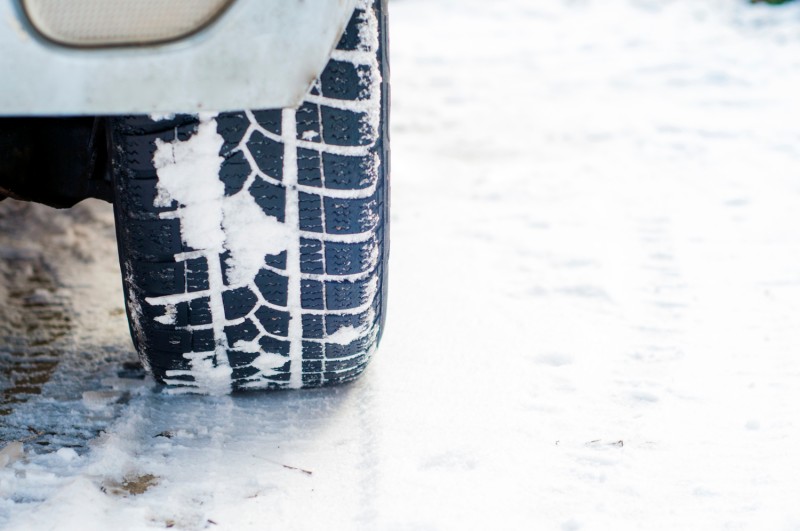
    <content type="html" xml:lang="en"><![CDATA[<p>When the temperature drops, some drivers will switch to winter tyres on their cars. Winter tyres make a real difference to the amount of control you have in snow and ice. Here we look at whether used winter tyres are a good investment.</p><h2>What are used winter tyres?</h2><p><a href="/blog/winter-tyres-everything-you-need-to-know/">Winter tyres</a> are designed to cope better with driving in winter conditions. The width of the grooves are narrower than conventional summer tyres, so less ice and snow can be clogged in the tread patterns. This gives more grip on winter road surfaces. Winter tyres work most effectively when the temperature drops below 7°C, and in some European countries winter tyres are even a legal requirement.</p><p class="page-image pull-right"><span><img src="https://www.asm-autos.co.uk/image/4/800/800/images/car-tyre-on-winter-road-covered-with-snow.jpg" style="width: 400px;" width="400" height="265" alt="Car tyre on winter road covered with snow" class="img-responsive center-block" loading="lazy" title="Image by Dragana_Gordic on Freepik" data-toggle="tooltip" data-placement="bottom"/></span></p><p>Stopping times will be significantly improved with winter tyres. According to tests conducted by road safety charity <a href="https://www.tyresafe.org/">TyreSafe</a>, on a cold wet road, a car travelling at 60mph will take 70.5 metres to stop. A vehicle with winter tyres at the same speed will stop in 65.7 metres. The gap between these times get longer if there is snow on the road.</p><h2>How can I tell if a tyre is a winter tyre?</h2><p>Winter tyres have two symbols on their sidewall: “M+S” and “3PMSF”. The 3PMSF symbol (snowflake) is mandatory for winter or all-weather tyres produced since January 1, 2018. So it should be pretty easy to tell, but if you’re still not sure consult a professional.</p><h2>How old can used winter tyres be?</h2><p>A complete set of new winter tyres can be extremely expensive, so some drivers will buy part-worn/used tyres. Ideally, used winter tyres should be no more than 2-3 years old. By the time they are 5 years old their effectiveness in winter conditions will be significantly reduced. That’s why we thoroughly check every used tyre, to ensure it is roadworthy and safe.</p><h2>What do I do with my summer tyres?</h2><p>If you have bought some used winter tyres, you should probably get them fitted by a professional tyre fitting service. But what about your summer tyres? If you have a garage or sufficient storage space you should store your tyres in cool, dark and a well-ventilated space. If you don’t, some tyre retailers or car dealerships offer a tyre hotel service, where you pay to have your tyres stored over the winter.</p><h2>How do I check if my tyres are roadworthy?</h2><p>Even if you aren’t thinking of switching to winter tyres, it is important to check whether your standard tyres are still roadworthy. The legal limit for tyre tread depth is 1.6mm, but you should try not to let your tread depth below 2mm. Winter conditions will make driving on unsafe tyres even more dangerous. There is a simple check you can do to test tyre tread depth. Simply take a 20p coin and place it in a groove of your tyre. If the rim of the coin is visible, then the tread depth is below the legal limit.</p><h2>Are there any other things I can do to make my car cope with winter conditions?</h2><p>Winter tyres will make quite a difference to how well you drive in snow and icy conditions, but there are a few other things you can do to prepare for driving in winter.</p><ul>
<li>Pack for the worst conditions (de-icer, ice scraper, blanket, shovel, phone charger, warning triangle, torch etc)</li>
<li>Use a bag of warm (not hot) water to de-ice your windscreen, if you don’t have de-icer</li>
<li>Wear suitable footwear when driving, like boots, in case you get stuck</li>
<li>Check your screen wash regularly to ensure it doesn’t freeze</li>
<li>Invest in snow socks – a fabric cover that can be put over tyres to help get out of a driveway covered in snow</li>
<li>Invest in snow chains – offer better grip than snow socks, but must be removed for roads clear of snow</li>
</ul><h2>Buy used winter tyres at ASM</h2><p>Winter tyres can be a good investment if you are driving a lot in snowy and icy conditions over the winter. Switching tyres will not only help you to drive better in blustery conditions, but it could save you from a nasty accident.</p><p>But why pay full price when you can get high quality, part-worn tyres for a fraction of the cost? ASM Auto Recycling has a wide range of <a href="https://parts.asm-autos.co.uk/tyre-bay/">new and used tyres for sale</a> on our tyre bay from leading manufacturers like Ovation, Matador and Rapid.</p>]]></content>
  </entry>
  <entry>
    <title>Winter Tyres – everything you need to know</title>
    <link rel="alternate" type="text/html" href="https://www.asm-autos.co.uk/blog/winter-tyres-everything-you-need-to-know/"/>
    <id>tag:www.asm-autos.co.uk,2011-01-03:blog.633</id>
    <updated>2017-01-16T14:52:00+00:00</updated>
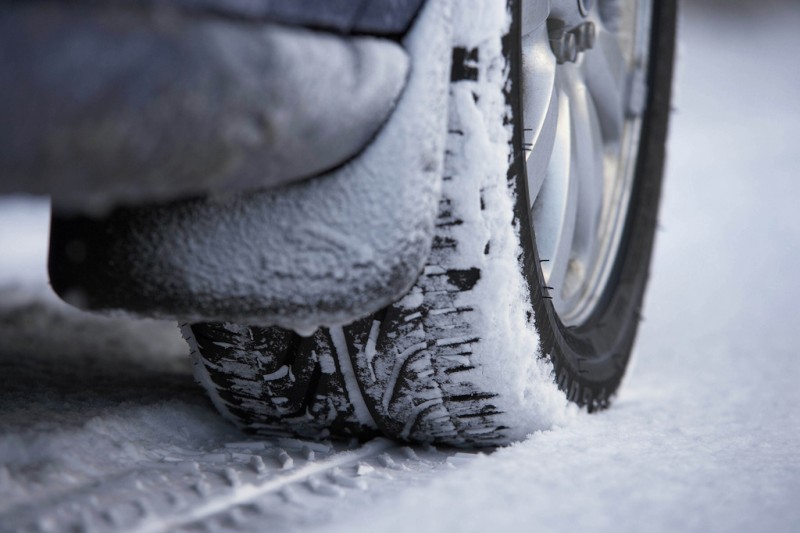
    <content type="html" xml:lang="en"><![CDATA[<p class="page-image pull-right"><span><img src="https://www.asm-autos.co.uk/image/4/800/800/images/6256644401_4de16daf26_b-highways-agency-.jpg" style="width: 400px;" width="400" height="266" alt="Tyre and tracks in snow" class="img-responsive center-block" loading="lazy" title="(CC BY 2.0) Tyre and tracks in snow by Highways Agency" data-toggle="tooltip" data-placement="bottom"/></span></p><p>Unless you’re a real petrol head – and kudos if you are – the chances are that you probably don’t spend too much time thinking about your tyres.</p><p>But did you realise that by ignoring them, you could be putting the safety of you and your family at risk?  With the cold weather now starting to set in, we thought this would be a great time to take a look at winter tyres.</p><p>(Yes, they’re different from summer tyres – or at least, they should be!)</p><h3>What are ‘winter tyres’?</h3><p>Put simply, winter tyres make use of a tread rubber compound – with high silica content – and a tread pattern which is specifically designed to keep its flexibility in lower temperatures.</p><p>(In this case, ‘low’ temperatures is anything below 7 Celsius).</p><p>The flexibility resulting from the compound helps the tyres perform better in snow and ice, and can also help on colder wet roads.</p><h3>How to recognise winter tyres</h3><p>You’ll be able to spot winter tyres from the sidewall symbol, which will usually be either a snowflake or snow-topped mountains.</p><h3>Are winter tyres a legal requirement in the UK?</h3><p>The quick answer is: <strong>no, they are not a legal requirement in the UK.</strong></p><p>Many parts of mainland Europe legally enforce the use of winter tyres, though that’s not the case in the UK.  There are a number of reasons for this:</p><ul>
<li>Much the UK rarely experiences weather conditions necessitating winter tyres.</li>
<li>A lot of UK drivers are sensible enough to avoid even using their car when the harsher weather hits.</li>
<li>If winter tyres were supplied in sufficient volume, the cost of them would actually be prohibitive.</li>
</ul><h3>So, should you buy winter tyres?</h3><p>For some drivers in the UK, winter tyres are a sensible investment.  If you live in a more remote area, or an area in which conditions are tough during winter, they can make a big difference in your vehicle’s overall performance.</p><p>Motorists in Scotland, Wales and the North of England often find that winter tyres help them maintain control when ice and snow is gripping the roads.  They can also help when navigating the more mountainous terrain.</p><p>One important thing to bear in mind is that winter tyres should only be used for winter: they won’t be as effective once the weather improves.  So, if you go the winter tyre route, you’ll be looking at changing your tyres once every few months.</p><h3>You could also consider ‘all-season’ tyres</h3><p>‘All season’ tyres are also available from many of the main tyre manufacturers.  Their tread pattern is usually somewhere between a winter and summer tyre and they have a high silica content designed to give flexibility when the weather is at its coldest.</p><p>As with any form of compromise, performance won’t reach the levels of the more specialist tyres, but they will usually perform better on winter roads than a standard tyre plus, you’ll be able to avoid replacing your tyres twice a year.</p><h3>Do I need to tell my insurer? What about going abroad?</h3><p>Typically, no.  It’s not normally necessary to tell your insurer if you use winter or all-season tyres, even if your speed index might be slightly lower as a result.  The speed limit will usually still exceed all national limits, with the possible exception of some German autobahns.  It’s also not something typically checked as part of the passenger car MOT test.</p><p>It is standard European practise to keep two sets of wheels – winter and summer – available.  As long as you do this, you shouldn’t run into any problems providing your winter tyres are fitted to the correct specification.</p><h3>What’s the correct specification? Simple:</h3><p>The wheel size, diameter, width and offset must all conform to the manufacturer’s specifications.</p><p>Of course, with any insurer it’s always wise to double-check just in case their policy has changed.</p><h3>Don’t forget your tyre tread</h3><p>It’s obviously still a legal requirement to ensure your tyres have the necessary tread.  At least 3mm is recommended for the colder months, as it’ll help your tyres grip the road.</p><p>The legal requirement is no less than 2mm.</p><h3>Check out our online store</h3><p>If you’re on the hunt for winter tyres, check out ASM Autos’ <a href="https://parts.asm-autos.co.uk/tyre-bay/">online parts store</a>.  We sell high-quality replacements parts at excellent prices, ideal for when your motor needs an upgrade.</p>]]></content>
  </entry>
</feed>